1:32 pm
May 13, 2025
The 2025–27 operating budget passed by the Legislature would increase net appropriations by 8.2% compared to 2023–25. Every budget includes a mix of both spending increases and spending decreases, as priorities and needs change. When the legislative session started this year, legislators faced a real budget problem—they had overspent in 2023–25, so the cost of continuing current services exceeded expected resources in 2025–27. This maintenance level shortfall was $8.6 billion over the five-year outlook period. (The outlook period is the current fiscal year, 2025–27, and 2027–29. All numbers in this post are in terms of funds subject to the outlook, or NGFO.)
Consequently, the Legislature passed a 2025 supplemental budget and a 2025–27 biennial budget that assume an unusually high amount of savings: $7 billion over five years. If the Legislature had stopped there, the budget could have balanced over the outlook period without increasing taxes. Instead, legislators chose to add new spending. Effectively, this is the normal budget give-and-take on a larger-than-normal scale, with the result being a relatively modest net increase in appropriations.
Would the Legislature have cut less from existing programs if it had adopted larger tax increases?
We don’t have to wonder about various counterfactuals or hypotheticals—we know the answer. The Senate’s version of the operating budget included a $21 billion tax package and still cut about $7 billion over the outlook period.
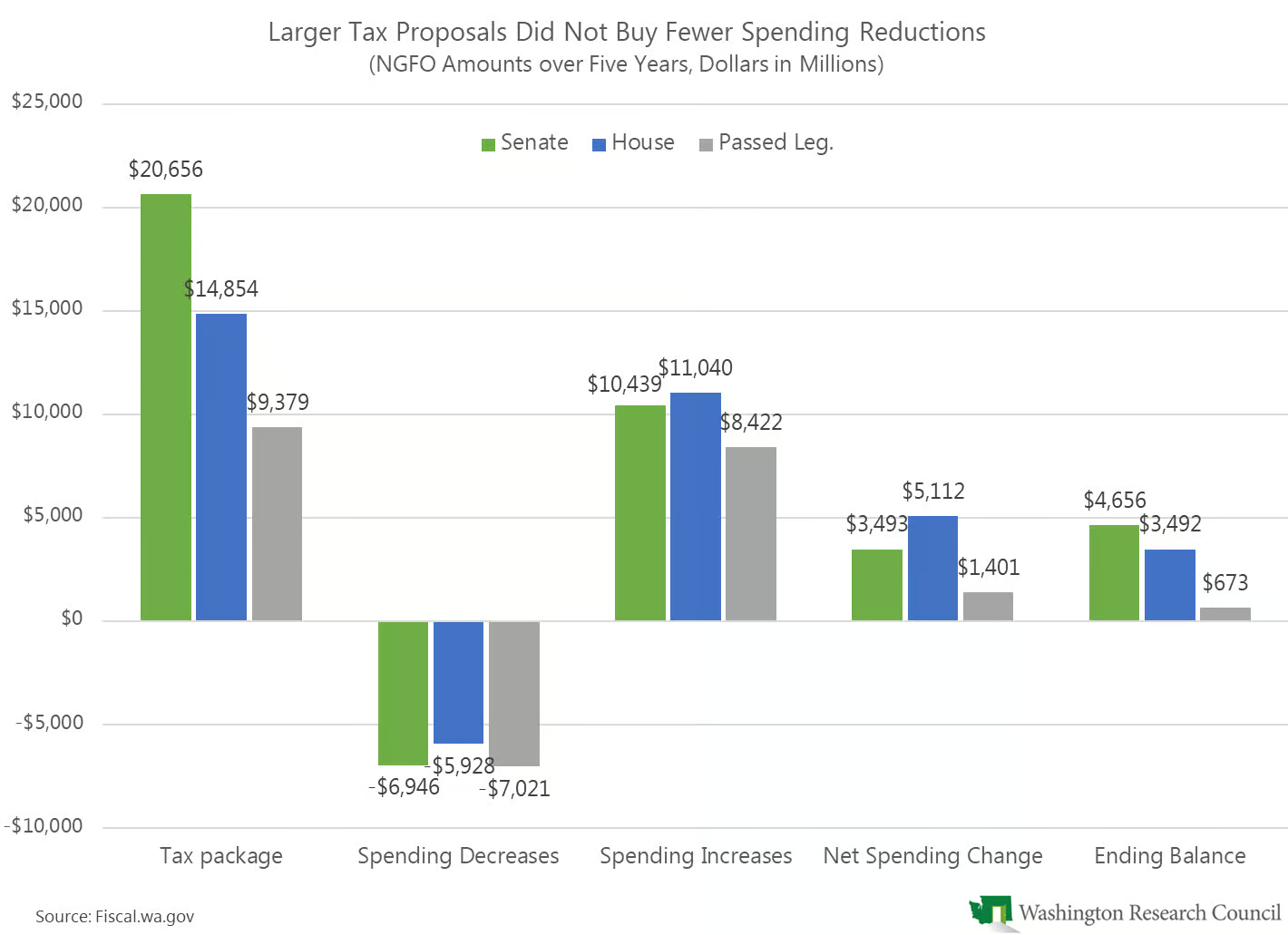
Thus, if a program was cut in this budget, it isn’t a priority to this Legislature.
A quintessential example is early learning and child care. The Fair Start for Kids Act was initially funded in 2021 with federal pandemic relief money, and legislators said at the time that the new capital gains tax would fund the programs going forward. Despite the historically large tax increases adopted this year (and the even larger earlier tax proposals), provisions of the Fair Start for Kids Act were reduced or delayed beyond the outlook window in every version of the budget this year.
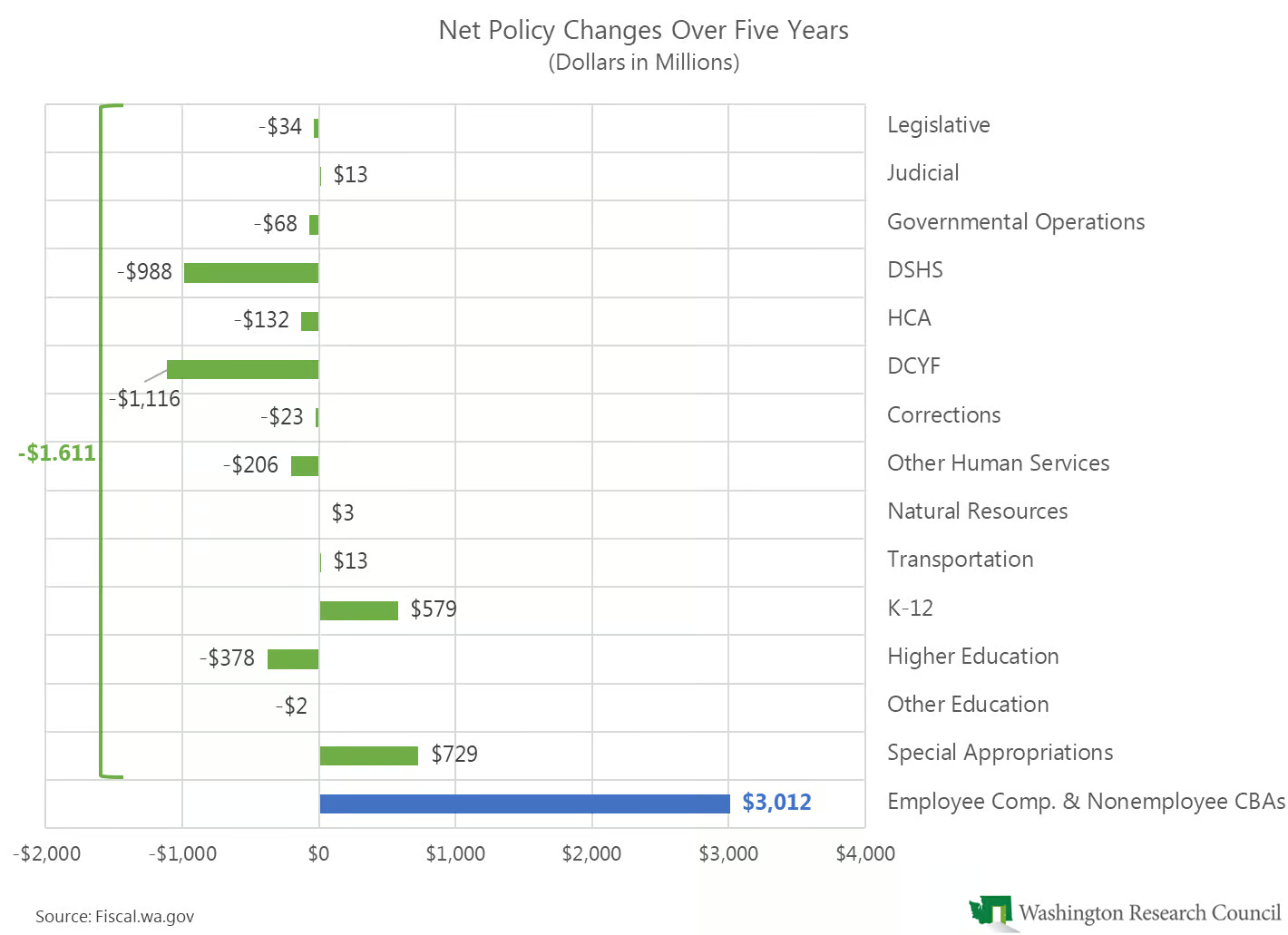
Instead of funding the Fair Start for Kids Act or other existing programs in 2025–27, the Legislature chose to shift funding to employee and non-employee compensation. Over five years, appropriations for employee and non-employee compensation are estimated to increase by a net of $3.012 billion. Appropriations for everything else are estimated to decrease by a net of $1.611 billion.