2:10 pm
October 16, 2019
According to a study commissioned by the Joint Transportation Committee (JTC), Washington cities collectively face an annual gap of about $1 billion between their available funding for transportation and their transportation preservation and maintenance needs. As Lens reports, the study was presented to the Washington State Transportation Commission yesterday.
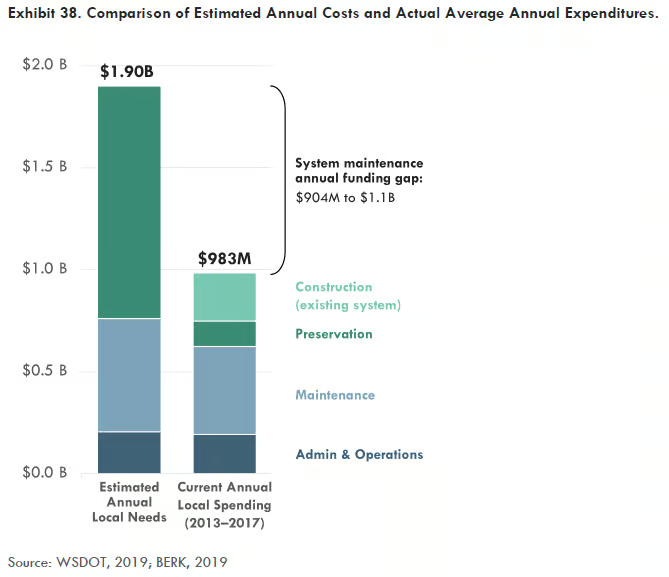
(The $1 billion figure does not include, for example, “investments required to address growth,” “deferred maintenance and preservation of roadways,” or fish barrier replacement.)
The full report is available here. (It was requested by the Legislature in the 2018 supplemental transportation budget.)
The report finds that 79 percent of city transportation funding is from local sources, 13 percent is from state sources, and 8 percent is from federal sources. Of the local revenues, 86 percent is from sources that are not restricted to transportation uses—meaning that “this funding competes with other local needs and may vary based on city priorities or context in a given year.”
Still, since 2003, “cities have stepped up to meet growing transportation needs and costs, while investment from the state and federal governments has declined slightly.” One way cities have increased local transportation revenue is through the creation of Transportation Benefit Districts (TBD).
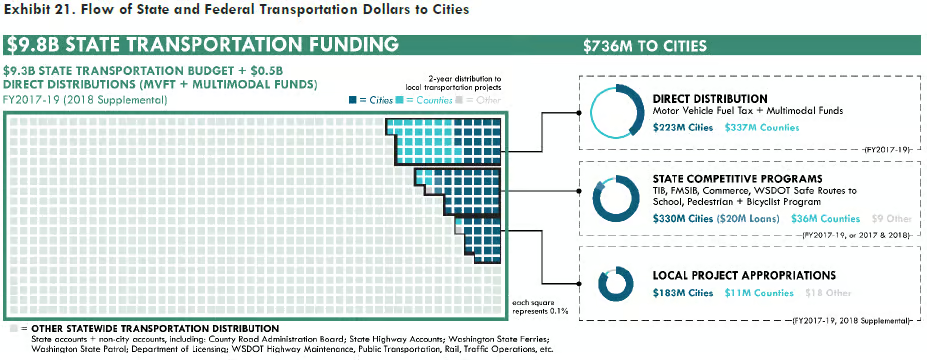
There’s an interesting graphic in the paper showing how much of the state transportation budget is distributed to cities and counties:
The report includes several recommendations, including to allow TBDs to impose higher vehicle license fees. Currently, TBDs may impose vehicle fees of up to $50 without a public vote; the report recommends increasing that to $100 and indexing it to inflation. Also, TBDs may currently impose sales taxes, but they sunset after 10 years. The report recommends repealing the sunset.
Additionally, under current law, cities may impose a business and occupation tax on electric, gas, steam, and telephone utilities, but the rate cannot exceed 6 percent. The report recommends allowing TBDs to increase that cap by 2 percent and dedicating the increase to transportation.
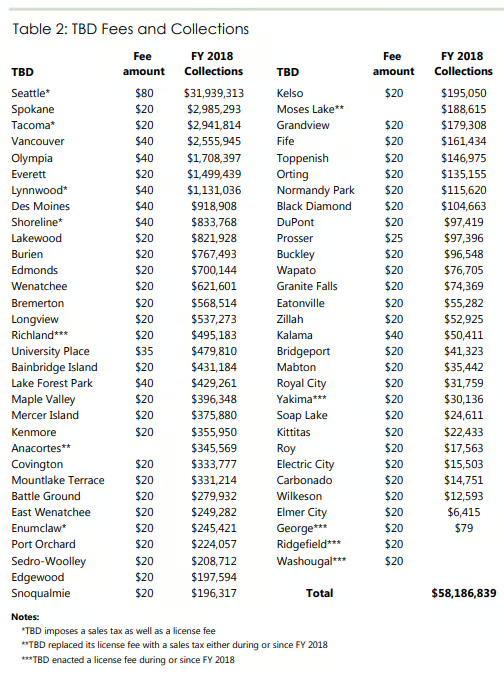
At the meeting yesterday, the Commission asked a lot of questions about how I-976 would affect city transportation funding. Contra the report’s recommendations to increase the authority of TBDs to levy vehicle license fees, I-976 would revoke that authority entirely (they would still be able to impose sales taxes). In our report on I-976, we included a table showing the estimated annual revenue impact to each TBD should the initiative pass: