1:24 pm
July 17, 2026
As I’ve written, the growing deficit in the state’s self-insurance liability account (SILA) is a significant problem for the state budget. Indemnity payouts have increased dramatically in recent years. According to the Office of Financial Management, the ending balance in SILA was -$963.9 million for FY 2026. That’s the ninth year in a row the account has been negative at the end of the fiscal year.

Increasing liability costs are not just a problem for the state government. The Washington State Association of Counties (WSAC) has released a report on how increasing liability costs are affecting counties, including very good background information on the issue. WSAC finds that “Washington’s approach to government tort liability – broad waiver, no damage caps, no administrative review – places it in a distinct minority nationally.”
According to WSAC,
Claims submitted to the Washington Counties Risk Pool annually have increased by more than 60% since 2021. Self-insured retention requirements have risen by 4,000% since 2018, from $100,000 to $4 million per claim. Liability insurance premiums have increased by over 380% during the same period. Some county activities are no longer insurable at any price. The costs are ultimately borne by local taxpayers either through higher taxes or reduced public services.
School districts are also feeling these pressures. Cascadia Daily News recently reported, “In mid-May, as Washington school districts were deep into developing their budgets for the next academic year, around 130 received notices that their rates for the Washington Schools Risk Management Pool were going up. And not just by a little bit: by an average of 45%.”
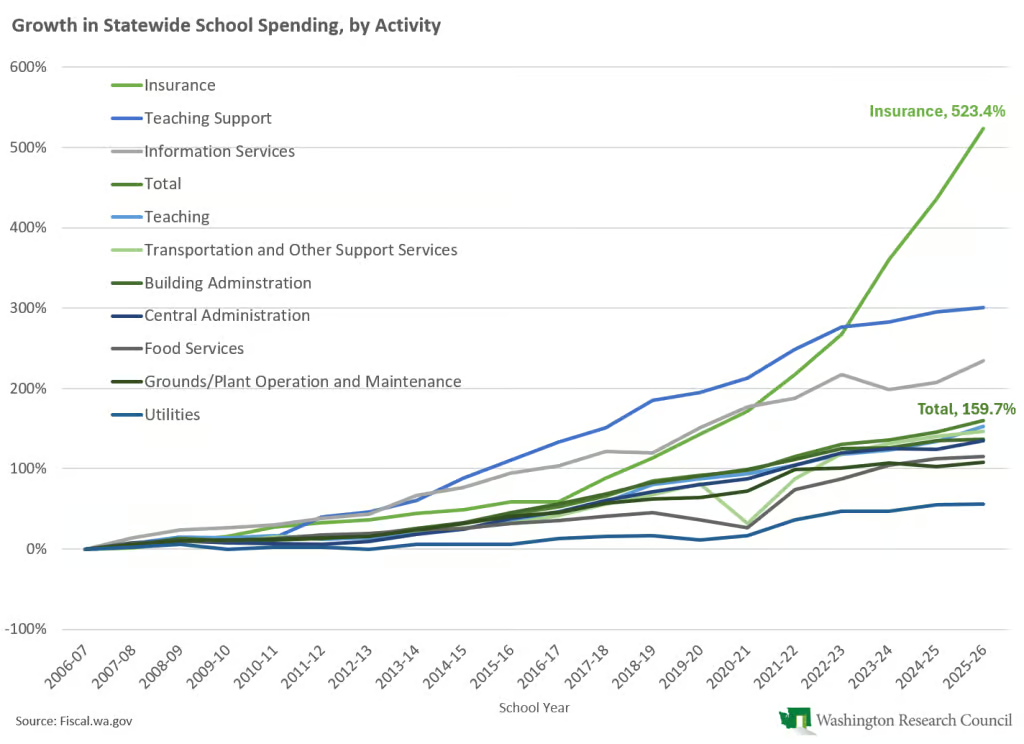
Indeed, school district financial data shows that spending on insurance (for property, liability, and fidelity bonds) has increased by 523.4% over the past 20 years, compared to 159.7% growth in spending across all activities. District spending on insurance as a percent of total spending increased from 0.6% in school year 2006–07 to 1.3% in SY 2025–26. (The state appropriates funds for school district insurance costs as part of materials, supplies, and operating costs.)