
3:48 pm
April 7, 2026
According to the Department of Revenue, state tax collections totaled $36.072 billion in fiscal year 2025. That was an increase of $1.565 billion (4.5%) compared to FY 2024 collections. (These are total state tax collections, not just revenues that are subject to the outlook.)
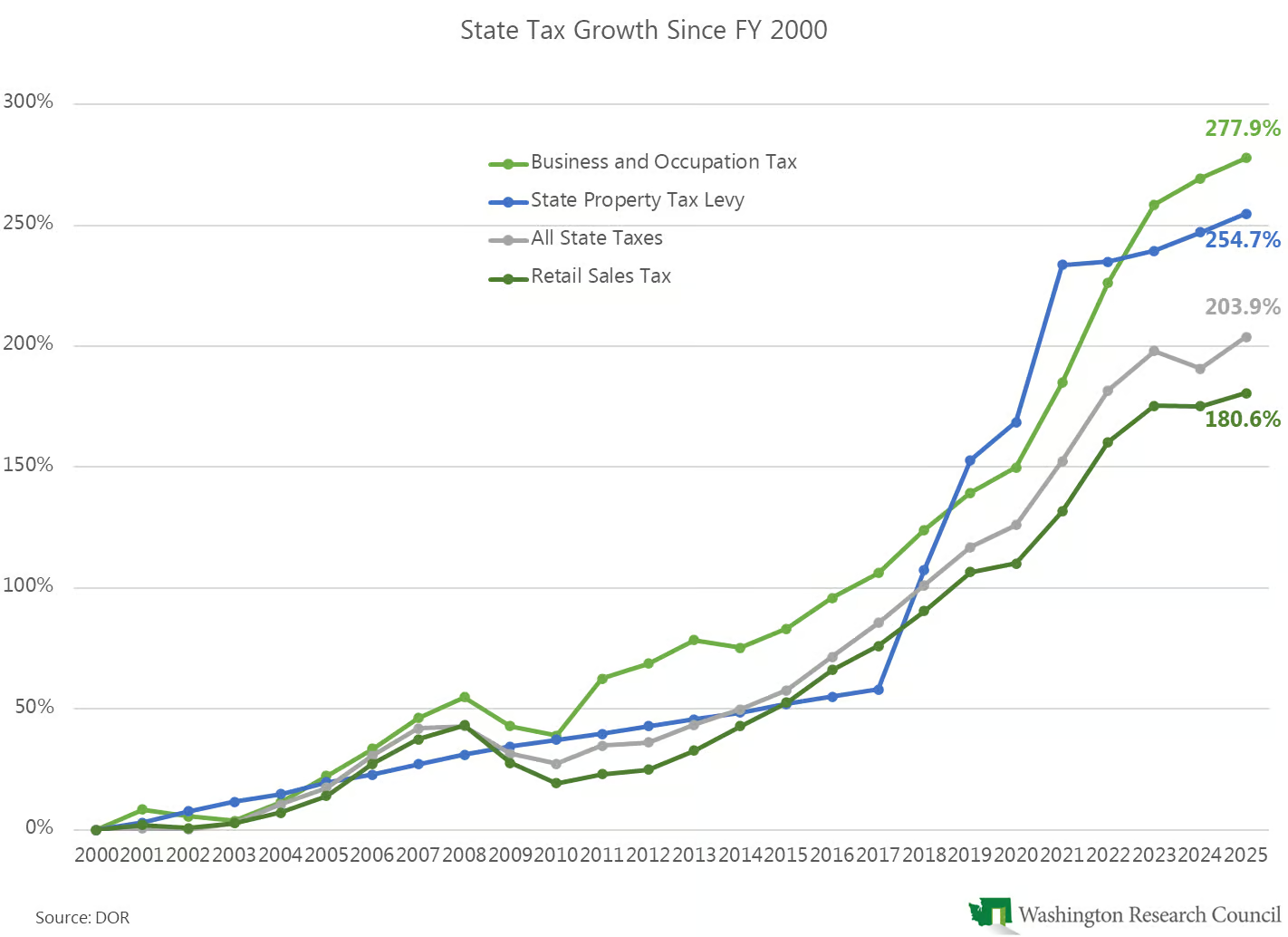
Since 2020, business and occupation tax collections have grown by 277.9%, the most of the three largest taxes. Combined, all state taxes have grown by 203.9% since 2020.
More volatility
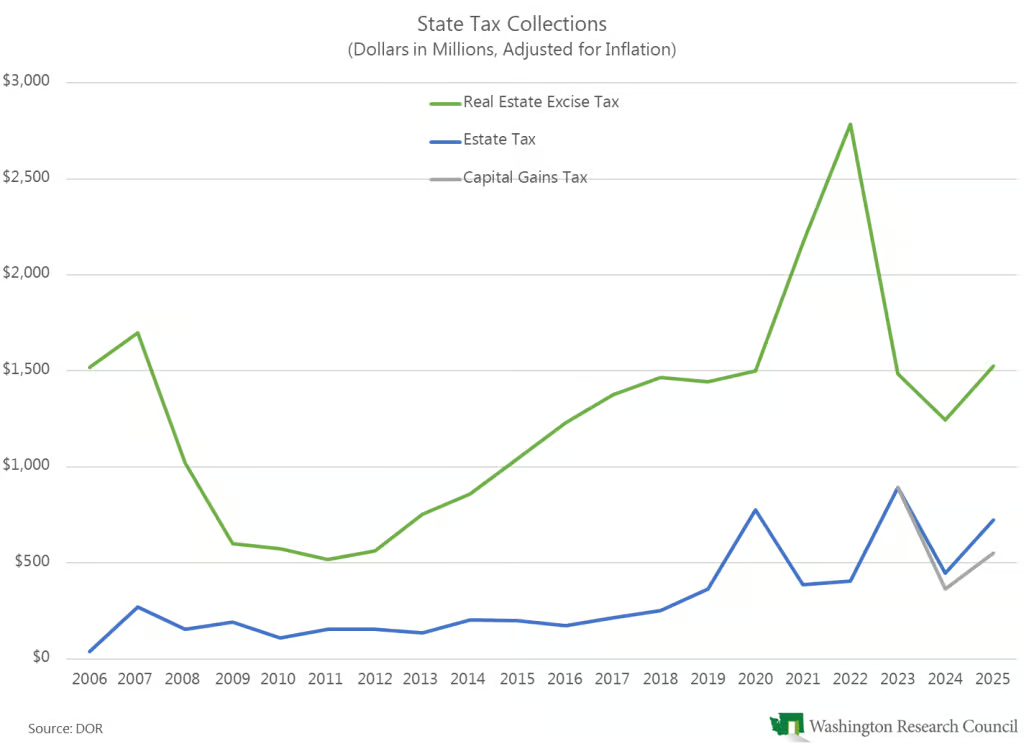
Tax revenues decreased by $880.5 million from FY 2023 to FY 2024. That decline was driven by real estate excise tax, estate tax, and capital gains tax, which together decreased by $1.096 billion. Similarly, the FY 2025 increase in collections from all sources was driven by real estate excise tax, estate tax, and capital gains tax, which together increased by $799.4 million (51% of the total increase).
These three taxes are major sources of revenue for the state and are more volatile than other sources. The real estate excise tax has always been volatile, but the Legislature made it more so beginning Jan. 1, 2020, when graduated rates for the tax took effect.
Capital gains taxes are also inherently volatile. Further, because the tax is new and we only have three data points, it’s not clear yet what the normal range for capital gains tax collections will be. The additional 2.9% tax on capital gains over $1 million that was adopted last year will first show up in FY 2026 collections.
The major increases to estate tax rates that were adopted last year were repealed this year. However, FY 2026 collections will reflect the higher tax rates.
Motor fuel and sin taxes declining
Collections from most of the major taxes increased in FY 2025, except for motor fuels taxes and sin taxes. In nominal terms, both motor fuels taxes and sin taxes have been declining since 2022. (Sin taxes include liquor sales and liter taxes, beer and wine excise taxes, cannabis excise tax, cigarette tax, tobacco products tax, and vapor products tax.)
In 2025, the Legislature made some changes to these taxes that could turn collections around. First, the motor fuel tax rate was increased by 6 cents effective July 1, 2025, and it will be increased annually by 2%. This will affect collections beginning in FY 2026. Consequently, nominal motor fuel tax collections are expected to increase beginning in 2026. (However, the February 2026 transportation revenue forecast estimates that fuel tax revenue will decline beginning in FY 2029, when adjusted for inflation.)
Second, the Legislature applied the tobacco products tax to products containing nicotine, whether synthetic or from tobacco. It’s not clear how the tobacco products tax change will affect the trajectory of overall sin tax revenue.
