12:26 pm
February 23, 2022
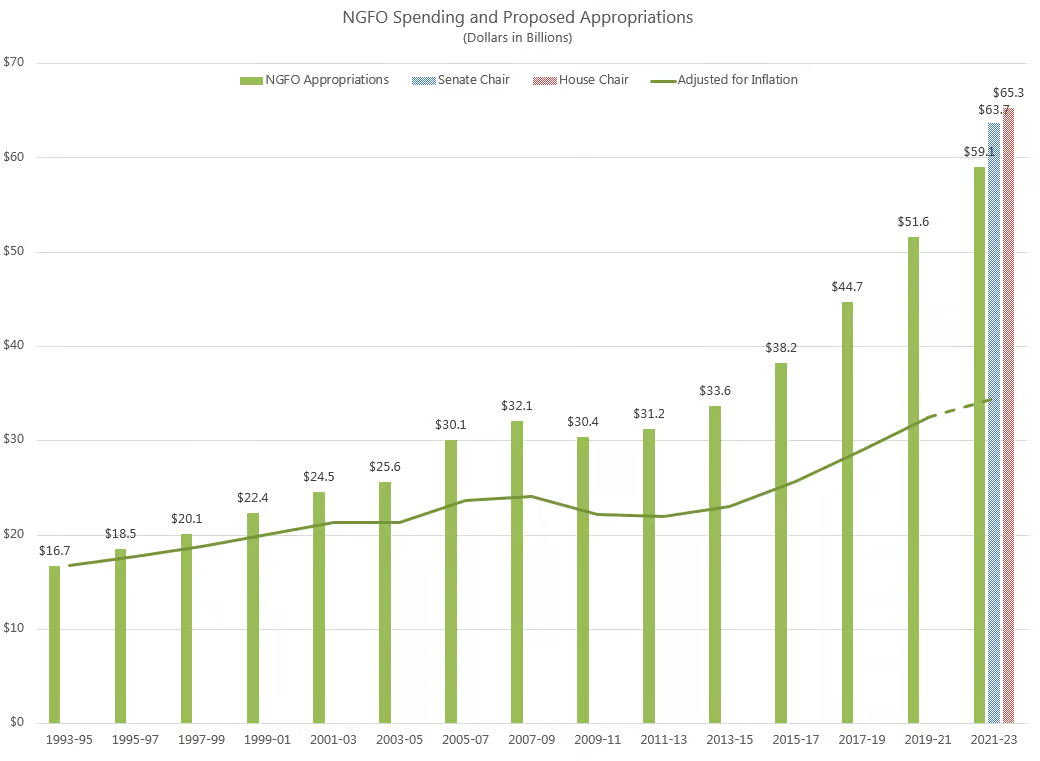
The 2022 supplemental operating budgets proposed by the Senate Ways & Means chair and the House Appropriations chair are quite unusual (if not unique) in that they each would spend more on new policy items than the enacted biennial budget did. Usually supplementals make only moderate changes. The enacted biennial budget added $3.324 billion in new policy from funds subject to the outlook (NGFO), while the Senate chair’s supplemental would add $5.837 billion and the House chair’s supplemental would add $7.372 billion. (I wrote generally about the Senate chair’s proposal here and about the House chair’s proposal here.)
The first chart shows how NGFO appropriations under each proposal compares to history. Adjusted for inflation and compared to actual 2019–21 spending, the Senate chair’s proposal would be an increase of 14.8% and the House chair’s proposal would be an increase of 17.5%. The next highest biennial growth (adjusted for inflation) was 12.8% in 2017–19. Average biennial growth (adjusted for inflation) from 1993–95 through 2019–21 was 5.2%.
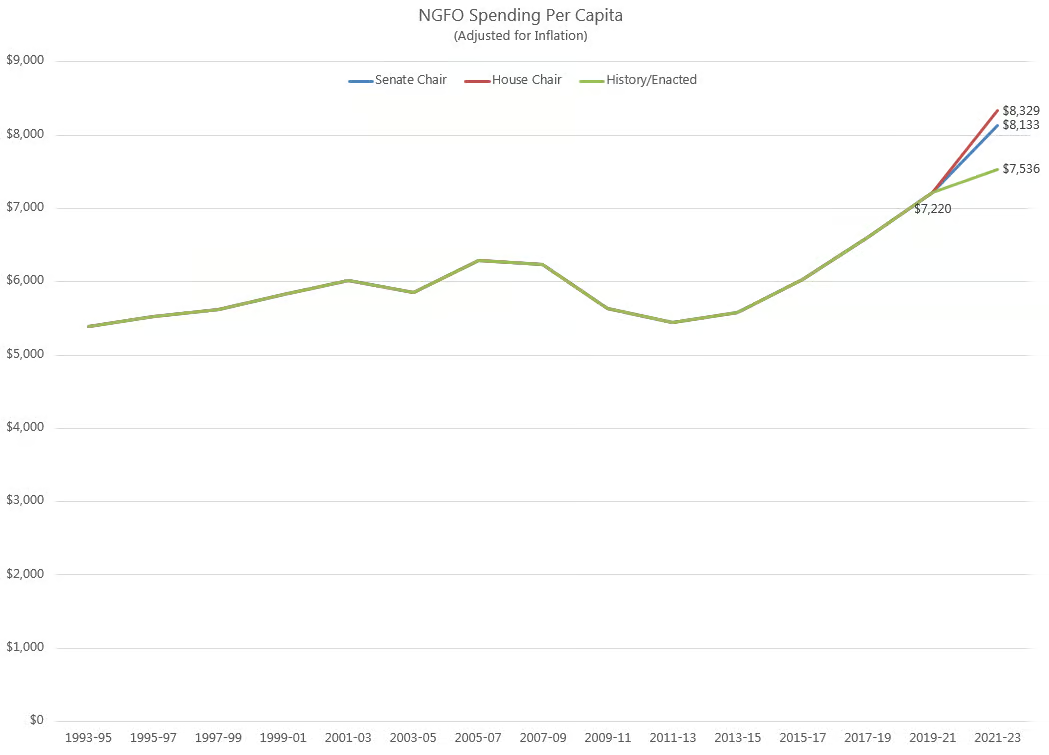
The second chart shows real (adjusted for inflation) per capita spending over time.
Today at 3 pm, the Ways & Means Committee will consider the chair’s operating budget proposal in executive session. At 3:30 pm, the Appropriations Committee will have an executive session for its chair’s operating budget proposal.
Categories: Budget.Tags: 2021-23 , 2022supp